

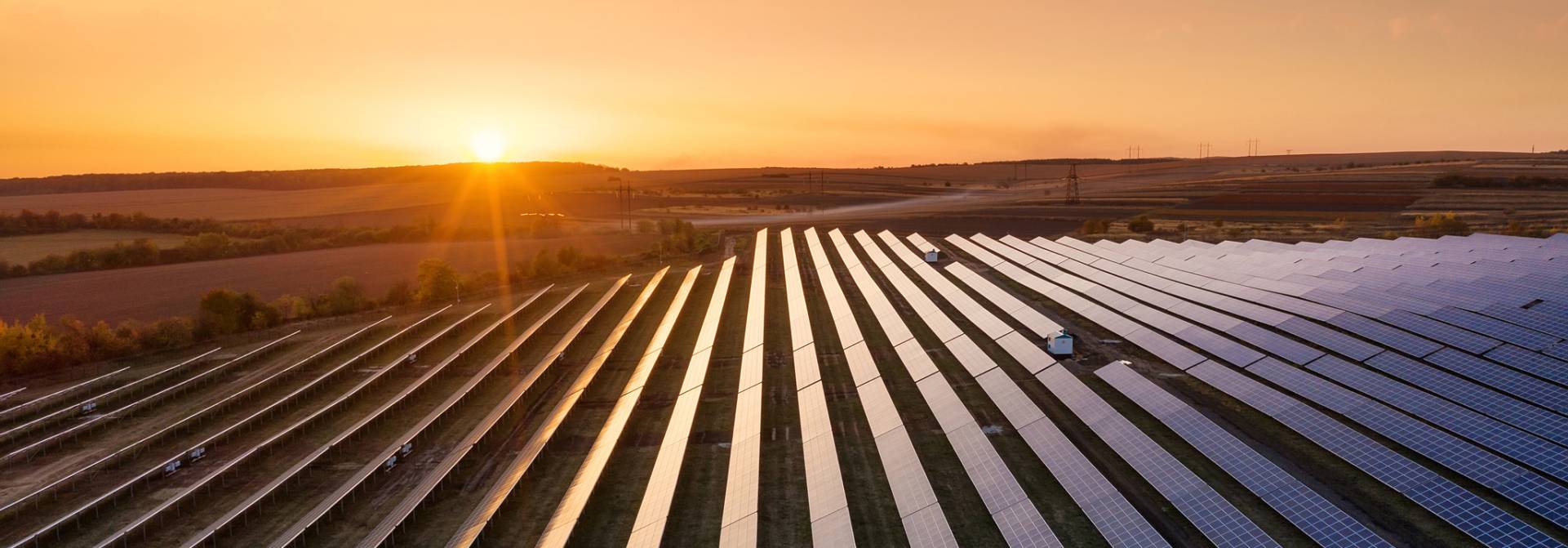
 Agri-PV energy generation plant (APV-EGP) – also known as agrophotovoltaics or simply agri-PV, and not to be confused with ground-mounted solar parks (which can only be approved in special-use, construction, industrial, or commercial zones) – refers to the technical installation of elevated photovoltaic systems on agricultural land that generate electrical energy and feed the power distribution grid (or, in the case of a stand-alone system, a dedicated off-grid industrial power network) with grid-compatible alternating current.
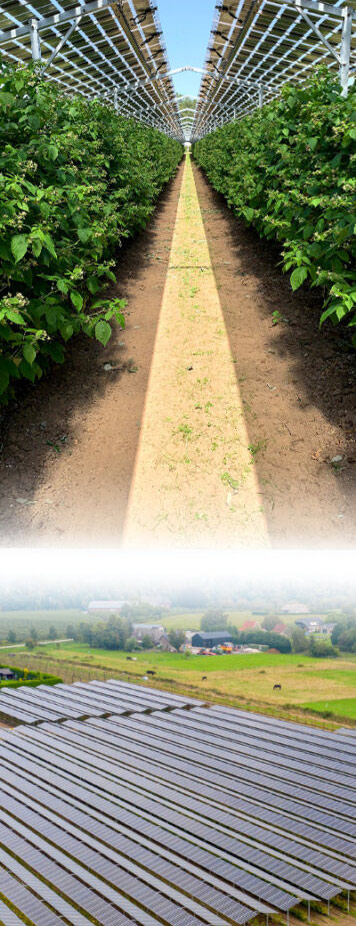


Sustainable development from which everyone Involved can benefit and grow – in the form of an economic, ecological and social return. This is what we stand for!
For people, your livestock and our environment

developed in CH, E.U & the PRC

Operating an agri-PV (APV) system not only yields agronomic benefits but also generates revenue through the production of solar power, thereby making a significant contribution to the transfor-mation of our country’s energy sector. From a technical standpoint, open-field agri-photovoltaic power generation systems can be integrated in a variety of ways on full-yield farmland and consist primarily of two types of systems: 1) grid-connected systems, 2) off-grid systems.
 Operating an agri-PV energy generation plant unlocks agronomic advantages in agriculture and generates new revenue opportunities through environmentally friendly and cost-effective PV electricity production and/or the reduction of time-variable grid fees. Furthermore, by constructing an agri-PV system, property owners make a significant contribution to food security, the energy transition, and the decarbonization of our energy sector, which is politically, socially, and financially desirable and supported.